A&S
Beer Barm Bread (Manchet)
I know I’ve been talking about ale or beer barm bread off and on for a while now. In fact I made some out of mead barm too. And I’ve come up with a number of ways of making a...
Read moreI know I’ve been talking about ale or beer barm bread off and on for a while now. In fact I made some out of mead barm too. And I’ve come up with a number of ways of making a...
Read moreThis is an earlier version of an article I wrote which was published in Tournaments Illuminated Issue 202, Second Quarter 2017 p.35-36. Serve It Forth, edited by Mistress Elaina de Sinistre, was a newsletter for those interested in culinary arts in...
Read moreUpdate April 2018: I went back and reworked the entirety of this for Kingdom A&S. You can see the documentation here:Pre-17c Bacon and photos here. 35. 36. A friend of mine jokes that I beat her in an A&S competition because...
Read more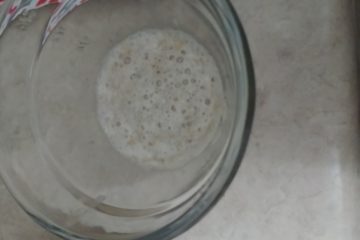
This is something that I’ve wanted to try for a long time, and in January when my wife, Her Ladyship Kayleigh, was needing beer barm to do some baking seemed like a good time. This was all done back in January, but I only now got around to posting it.
She had some barm left over so I decided to see what I could do with it.
Sourdough was well known and used, as we see from An Anonymous Tuscan Cookery Book (late 14th early 15th century) and other sources, but there are also some recipes that call for yeast. Now I’ve always assumed they mean sourdough or barm, but in Ein sehr Künstliches und fürtrefflichs Kochbuch von allerley Speysen 1560 we see instructions on how to harvest yeast:
(more…)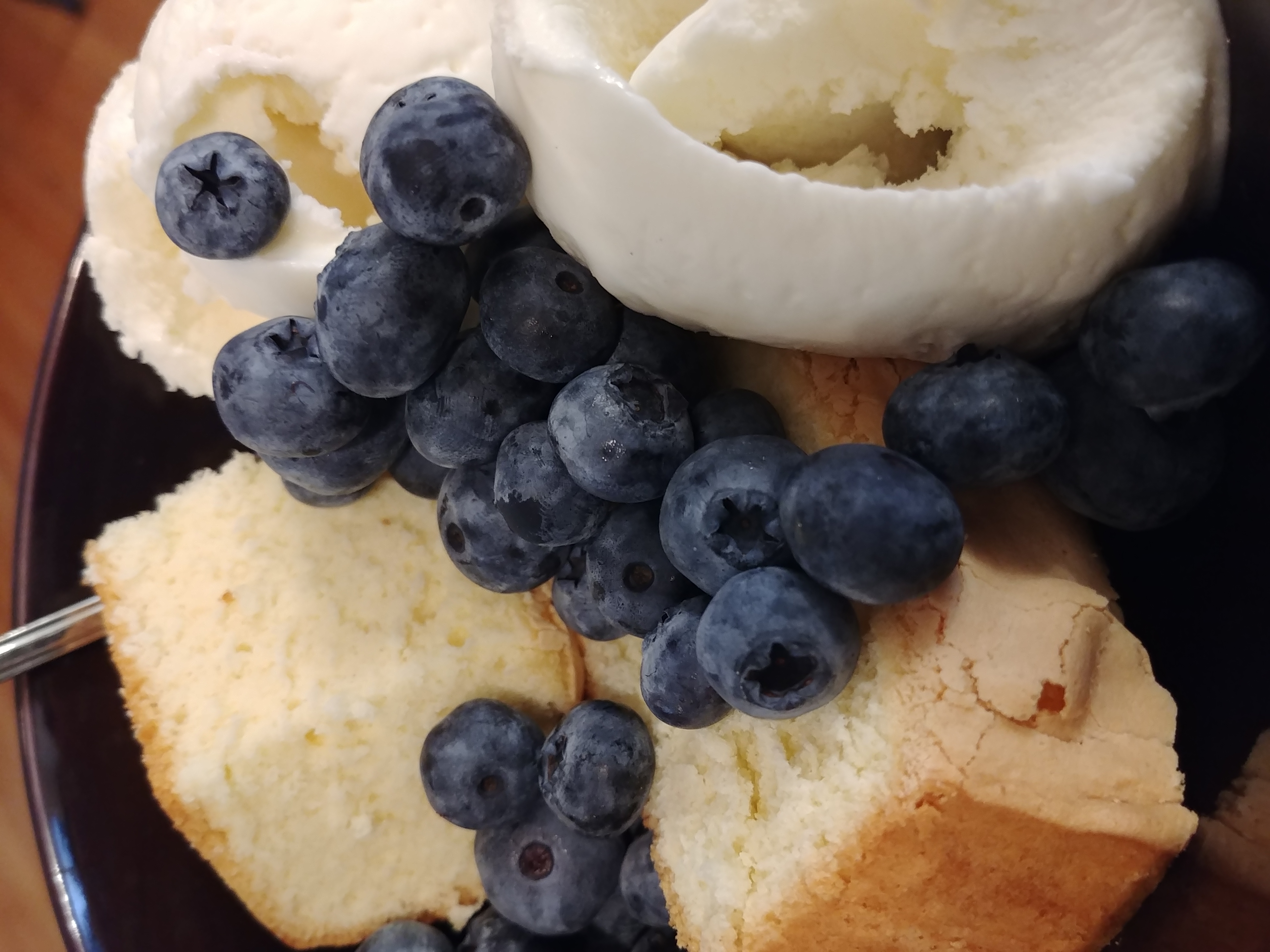
He who comes from a garden brings roses as a gift He who comes from a sweet shop brings sweets Mevlana Celaleddin Rumi (1207-73) Focus on what you excel at, and give freely of what you do as long as Read more
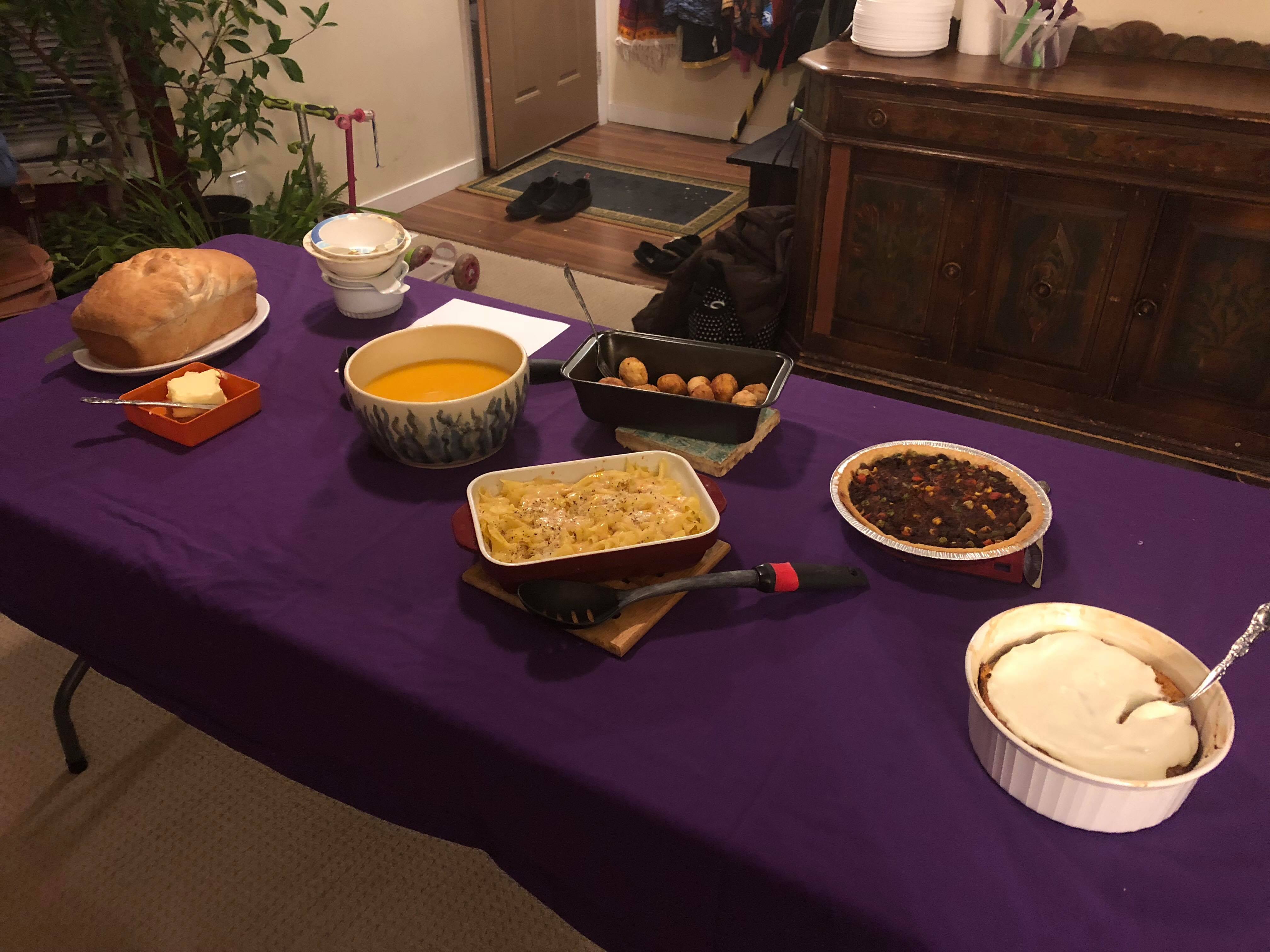
Last night’s culinary meeting had a theme of “comfort food” – it’s been an unusually cold autumn up here in Montengarde, so it seemed like the perfect month to enjoy some delicious (if not nutritious) historical dishes.
In attendance last night were Craig and Kathleen (our hosts,) James, Simone and myself. We all brought dishes on the theme and as usual ended up with a pretty diverse spread!
Lately I’ve been experimenting a little bit with dishes beyond our usual period cut-off of 1650. There are many sources a little outside of period which can tell us a lot about the techniques and preparation methods which were used in period. My interests in culinary history also extend beyond the SCA period, and since the Montengarde Culinary Group is pretty tolerant of my chronological non-conformance, I thought I would subject them to some experimentation!
(more…)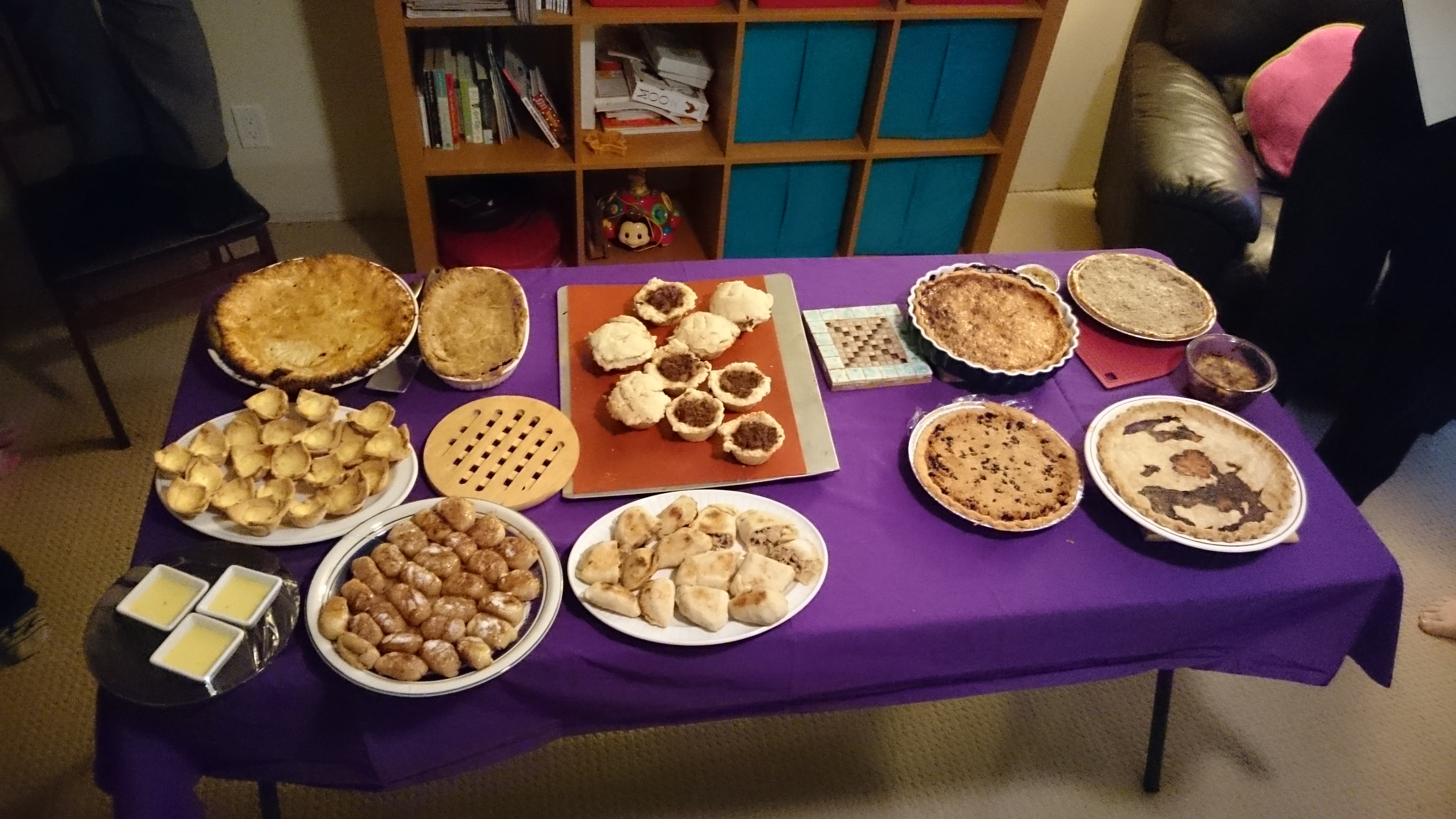
I went through more options than I should have for that title. We call these monthly potlucks the Montengarde Culinary Night, but I wanted something that would explain it a bit easier for people who are new.
The SCA, an international medieval recreation group, has a local branch here in Calgary called the Barony of Montengarde. 90% of people who read this blog probably know that already, but I put it there for the 10%.
The Montengarde Culinary Group is a great group here in Calgary where one Monday a month we gather together at someone’s house for a potluck and each bring a pre 17th century dish. We primarily meet at Craig and Kat’s house, known in the SCA as Caiaphas and Francis, but occasionally meet elsewhere. This group had been going for years before I moved here, and it was amazing to get to meet up with so many people who also love historical cookery. I’ve met some very good friends through the group. One of them is Allie, known in the SCA as Alice. She’s been the driving force behind the culinary nights and keeps it going.
The whole point of the potlucks is to try something new and learn a bit more about culinary history. Some people make recipes based on pre 17th century cookery books while others use recipes they find from culinary history books or websites, while still others just make something they like that isn’t pre 17th century. Every one and every skill level is welcome.
(more…)I referenced Alessio’s work back in my post on Sugar paste. While I was doing that research I also came across a potion “Agaynst the stynkyng of the breathe”. Curious about a Renaissance mouthwash recipe I investigated. This is from Read more
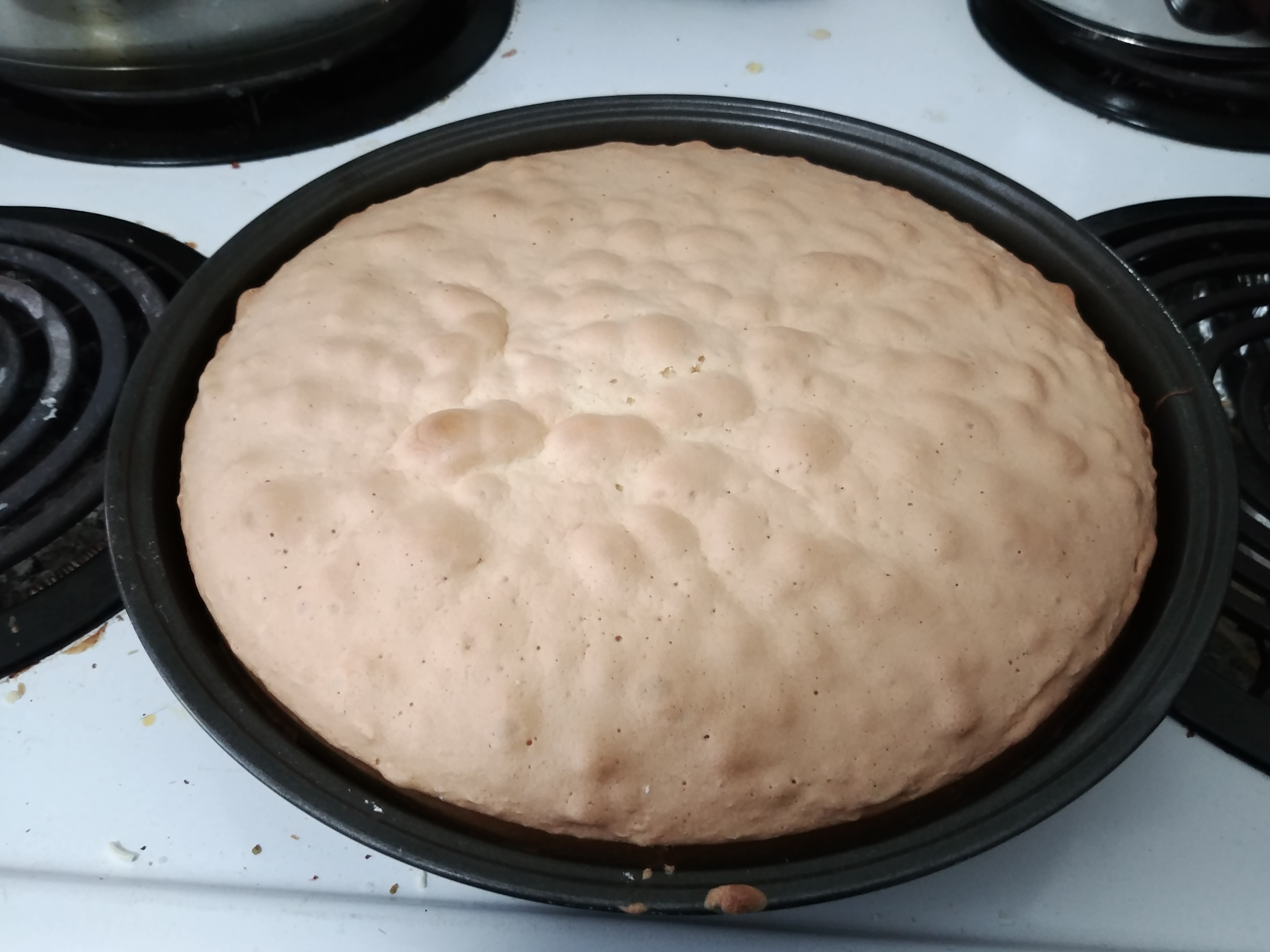
To make biscuit bread. To make biscuit bread, take a pound of fine flour, and a pound of sugar finely beaten and searced, and mix them together; then take eight eggs and put four yolks and beat them very well together; then strew in your flour and sugar as you are beating of it, by a little at once; it will take very near an hour’s beating: then take half an ounce of aniseeds, coriander seeds, and let them be dried and rubbed very clean, and put them in; then rub your biscuit pans with cold sweet butter as thin as you can, and so put it in and bake it in an oven: but if you would have thin cakes, then take fruit dishes and rub them in like sort with butter, and so bake your cakes on them, and when they are almost baked, turn them and thrust them down close with your hand. Some to this biscuit bread will add a little cream, and it is not amiss, but excellent good also. Markham 1986, p 112-113(more…)
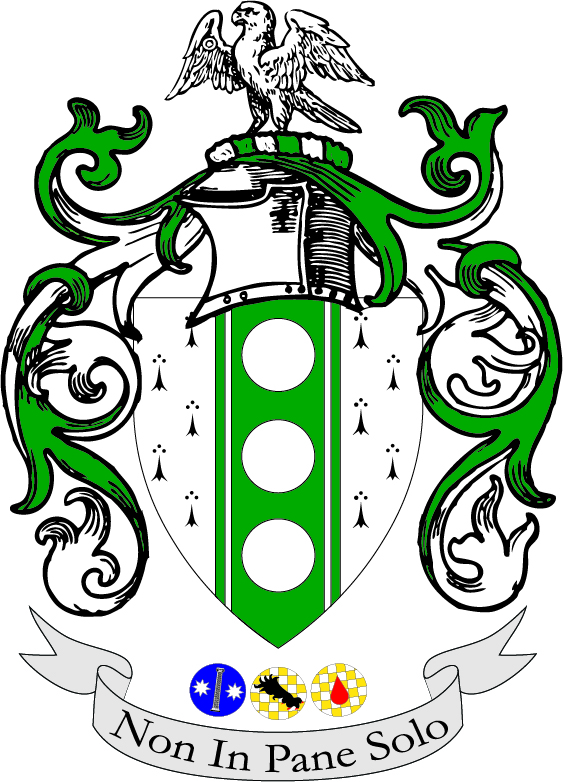
I’ve been messing around with a heraldic achievement in Adobe Illustrator for a while now, and I think I finally have something I like. It’s not amazing, but it’s functional. I tried a number of different ways of putting my Read more
You must be logged in to post a comment.